A city through the decades
Anaheim in the 1940s
A wartime community on the edge of postwar change
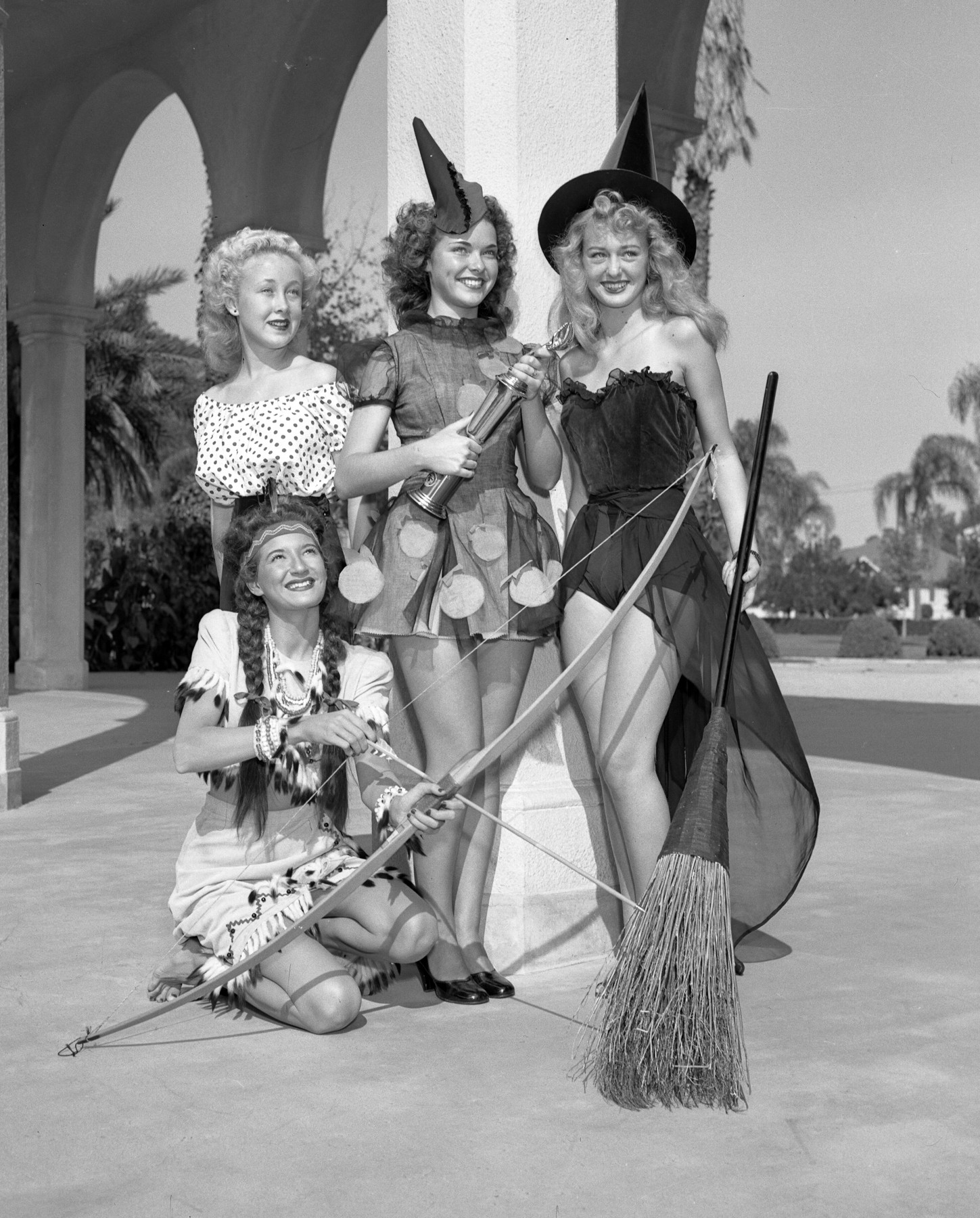
Anaheim entered the 1940s as a modest citrus town and left the decade on the threshold of rapid growth. World War II reshaped family life, work and the wider Southern California economy. Disneyland did not yet exist; much of the city's later resort landscape was still agricultural land.
- Population · 1940 census
- 11,031
- City of Anaheim
Life in 1940s Anaheim
Still a citrus city
At the beginning of the decade, Anaheim was not yet the city of theme parks, stadium crowds and convention visitors. Its 1940 census population of 11,031 was remarkably close to the 1930 count. Citrus groves, packing operations and the compact downtown remained central to the local landscape. The established street grid and older houses anchored community life while agricultural land extended beyond the center.
This is an important pause in the city's story. From today's perspective it can seem as though the transition from oranges to tourism was inevitable, but residents of the early 1940s did not live in a resort waiting to happen. They lived in a working community with its own institutions, businesses and routines. The park that would make Anaheim internationally recognizable was still more than a decade away.
A home front with more than one story
After the United States entered World War II in December 1941, military service, rationing and wartime production affected communities throughout Southern California. Anaheim's residents participated in that broader home-front experience. Everyday purchases, travel and household decisions were shaped by national restrictions and shortages. Agriculture remained necessary even as defense employment changed the region's economy.
The period must also be read critically. The wartime forced removal and incarceration of Japanese Americans disrupted communities across the West Coast, including Orange County. Nostalgic photographs do not erase that history. Images of civic pride or ordinary street life offer only one perspective; a fuller account requires local records, personal testimony and attention to people whose experiences were not celebrated in contemporary publicity.
The city before the boom
The end of the war brought returning service members and a growing demand for housing. Across Southern California, new construction and automobile-oriented development began reshaping agricultural communities. Anaheim's dramatic expansion is more clearly visible in the census figures of the following decades, but the wider pressures behind that expansion were already building in the late 1940s.
When comparing this era with the 1950s, look for what has not yet appeared: Disneyland's entrance, the hotel corridor associated with the resort, and the stadium and convention complex of the 1960s. Those omissions are part of the historical record. Anaheim in the 1940s was not an empty landscape; it was a small established city whose farmland and transport connections would soon attract very different kinds of investment.
The photographic record
Anaheim, in still frames
The moving picture archive
A window into another Anaheim
Original Anaheim moving footage from this decade could not be verified. This modern city-history retrospective offers broader context; it is not presented as a film shot in the period or as a decade-specific documentary.
History love
Anaheim California History | From Vineyards to Disneyland and Beyond
Modern city-history retrospective, not original footage from this decade. A broader introduction to Anaheim's vineyard, citrus and destination eras.
Historical footage and modern uploads are identified separately. Videos belong to their respective creators; YouTube playback availability can change.