A city through the decades
Anaheim in the 1960s
Big-league baseball, new venues & a city thinking bigger
By 1960, Anaheim was no longer a small citrus town. Disneyland continued to grow, the Angels arrived at a new stadium in 1966, and the Convention Center opened in 1967. The decade built much of the destination identity the city still carries—alongside neighborhoods and older streets undergoing their own changes.
- Population · 1960 census
- 104,184
- City of Anaheim
Life in 1960s Anaheim
From a destination to a destination city
Anaheim's 1960 census population of 104,184 shows the scale of the preceding decade's expansion. The city's identity could no longer be explained by a compact downtown and citrus groves. Housing, commercial development and regional roads created a much larger urban landscape. Disneyland remained its most famous attraction, but civic ambitions increasingly reached beyond a single park.
This distinction is visible in the decade's new venues. Anaheim was investing in reasons to visit for business, entertainment and professional sport. The places that now form familiar parts of a trip were new construction at the time. Their architecture, parking areas and connection to highways reflect the automobile-oriented planning of mid-century Southern California.
Baseball and the convention city
Anaheim Stadium opened in 1966 as the home of the California Angels, bringing major-league baseball to the city. The original stadium looked different from today's Angel Stadium; later changes enclosed it for football and then reshaped it again. The Big A originally formed part of the stadium's scoreboard structure rather than standing in its present parking-lot location.
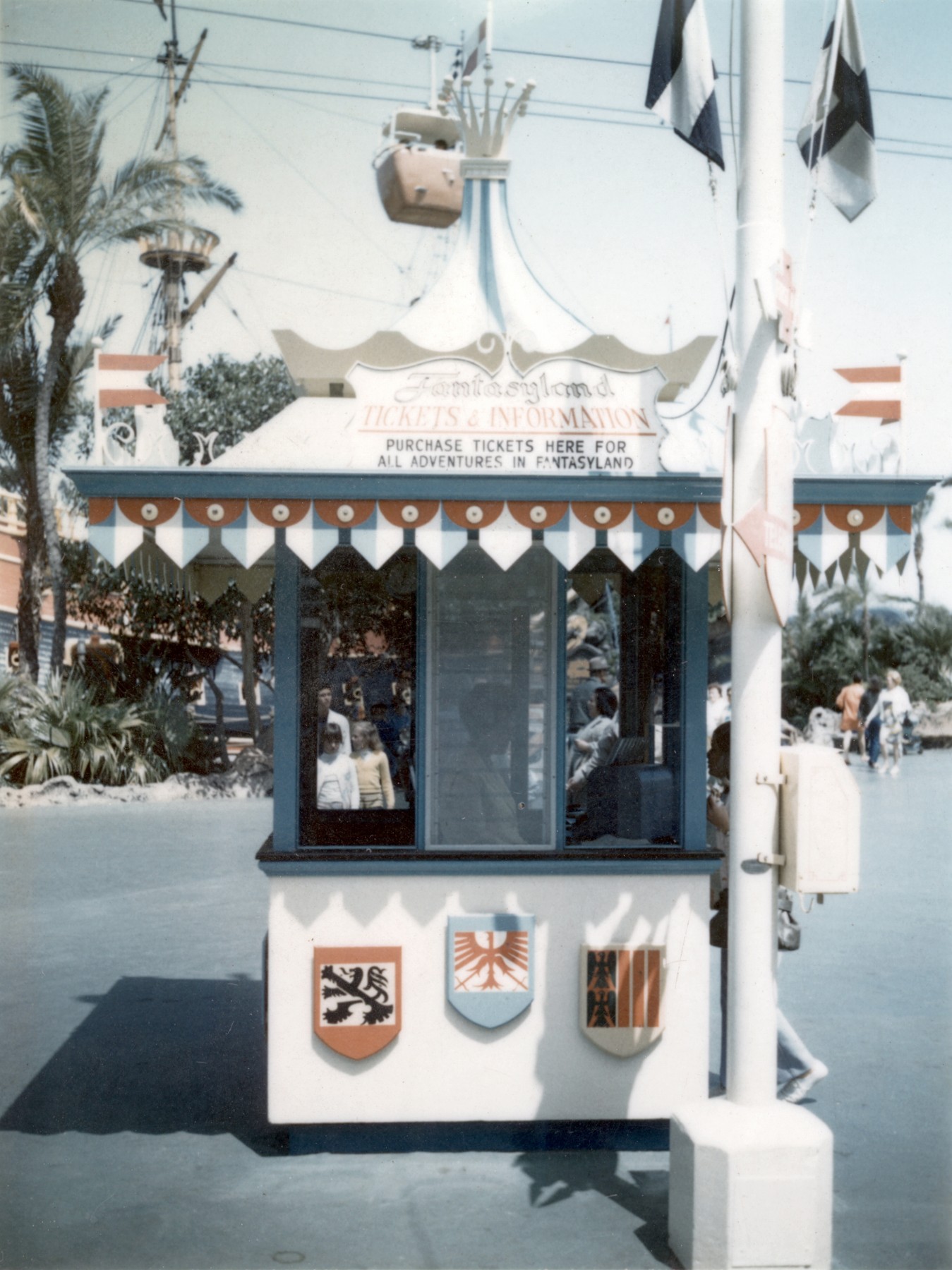
The Anaheim Convention Center opened in 1967. Together, the stadium and convention complex widened the city's destination economy: fans, exhibitors and business travelers joined families visiting Disneyland. These developments also affected the everyday city through jobs, traffic and new commercial activity. A guide to 1960s Anaheim needs to include that civic transformation, even when the most readily available archival images come from inside the park.
A changing park and a changing downtown
Disneyland's 1960s brought significant additions. Pirates of the Caribbean and a redesigned Tomorrowland opened in 1967, followed by the Haunted Mansion in 1969. Earlier-decade films preserve attractions and landscapes before those changes, which is why a specific filming date matters. A 1963 home movie cannot show the park exactly as it looked at the end of the decade.
Meanwhile, freeway construction and redevelopment altered the older city. The surviving colony houses and historic commercial buildings are fragments of a much larger earlier streetscape, not evidence that everything remained intact. The decade's story combines growth and loss: impressive new landmarks rose while parts of old Anaheim were being changed or removed. Viewing the four decade guides together makes that trade-off easier to see.
The photographic record
Anaheim, in still frames
The moving picture archive
A window into another Anaheim
Original Disneyland family films preserve the park during the 1960s. Dates follow uploader or family descriptions; where accounts disagree, the uncertainty is stated rather than assigning an exact year.
The Daystrom Archive
Disney Land in 1963 - Found on 8mm Home Film
Digitized Disneyland home footage identified by the uploader as 1963. A modern transfer of original 8mm film, rather than a present-day recreation.
Jeff A
Disneyland circa 1965
Family footage from the 1960s. The title says circa 1965, while a family sharing post says 1963; the exact filming year is uncertain.
Historical footage and modern uploads are identified separately. Videos belong to their respective creators; YouTube playback availability can change.