A city through the decades
Anaheim in the 1950s
Orange groves give way to a new kind of destination
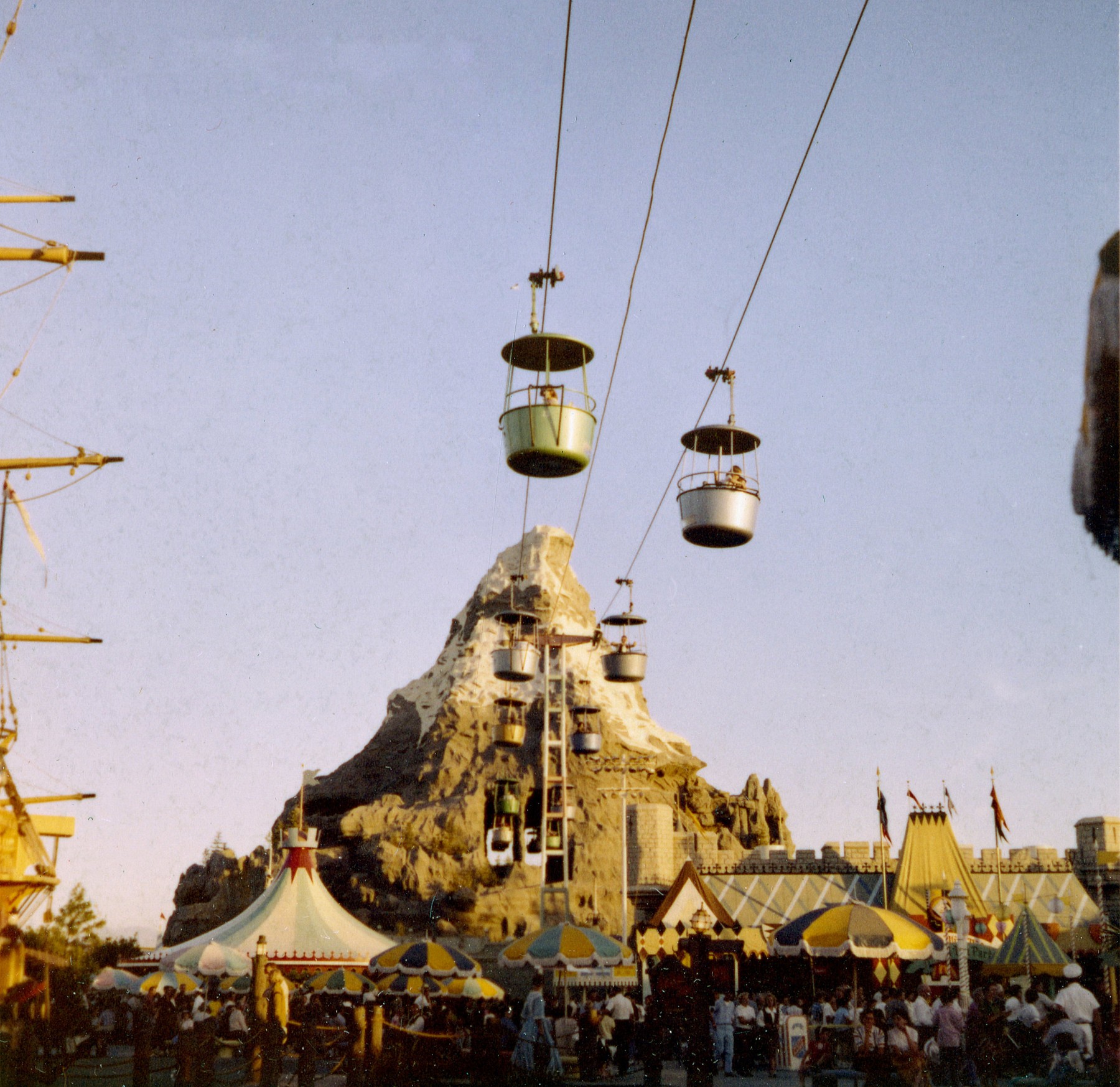
Few decades changed Anaheim as visibly as the 1950s. New homes and roads spread across former agricultural land, while Disneyland opened in 1955 and introduced the city to a national audience. Vintage park photographs capture one part of that transformation—not the entirety of Anaheim's everyday life.
- Population · 1950 census
- 14,556
- City of Anaheim
Life in 1950s Anaheim
A new destination in agricultural Anaheim
Walt Disney's search for a theme-park site brought his team to Anaheim's flat agricultural land and developing road connections. Construction replaced groves with an ambitious collection of themed lands. Disneyland's July 17, 1955 opening event was broadcast to a national television audience, and the park opened to the public the following day. The name Anaheim suddenly reached people who might never have heard of its citrus economy.
The opening was not a perfectly polished moment. Accounts of the first day describe crowding and operating difficulties, reminding visitors that the familiar park began as a new and still-evolving enterprise. Photographs from 1955 and home movies from 1956 show spaces and attractions before decades of expansion. They should be read as views of Disneyland in Anaheim, not as complete portraits of the surrounding city.
Homes, cars and a changing city map
The resort was only one engine of change. Postwar population growth and housing demand transformed much of Southern California, and Anaheim expanded rapidly. Agricultural parcels became subdivisions, commercial strips and employment sites. New residents were not all tourists or park workers; many were families building lives in a growing metropolitan region. The city's population would reach 104,184 in the 1960 census.
Road access encouraged a different pattern of development from the old compact downtown. Motels and visitor-serving businesses appeared around the park, while residential construction spread elsewhere. An archival postcard can make this change look cheerful and effortless. In practice, conversion of farmland altered livelihoods, neighborhoods and the physical relationship between the historic center and the growing city around it.
The decade ends with a futuristic skyline
In 1959 Disneyland added the Matterhorn Bobsleds, the Submarine Voyage and its Monorail. These attractions helped turn Tomorrowland and the park's skyline into an image of mid-century optimism. Family films preserve the colors, clothing and movement that a still photograph cannot: guests arriving, children watching rides and the changing views from within the park.
Outside the gates, Anaheim continued to balance established community life with its expanding visitor economy. The old packing buildings and colony streets did not vanish at once. The 1950s page is therefore a study in overlap: citrus-era Anaheim was still visible while a very different city was being built around it. Compare these images with the 1930s and 1940s guides to see how quickly that balance shifted.
The photographic record
Anaheim, in still frames
The moving picture archive
A window into another Anaheim
These family home movies were filmed at Disneyland in 1956 and restored decades later. They show the park—not the whole city—and offer a genuine moving record of its earliest years.
Jeff Altman
Disneyland 1956 - HD Home Movies
Restored family home movies from a 1956 visit to Disneyland in Anaheim. Original 1950s images in a modern digital transfer, including an encounter with Walt Disney.
Historical footage and modern uploads are identified separately. Videos belong to their respective creators; YouTube playback availability can change.